What Do Asbestos Containing Materials Look Like?
The Asbestos Containing Material that is probably most identifiable is textured coating / Artex. Often homebuyers call us asking for us to go out to a property they are purchasing, to sample Artex only, which has been identified by a building surveyor conducting a homebuyer's survey. While, of course we can carry out sampling only of suspect Artex, it is just as common to have other ACMs within the property, which aren't as obvious, and have not been flagged up by the building surveyor.
Below are some examples of Asbestos Containing Materials found during surveys.
Loose Fill Insulation
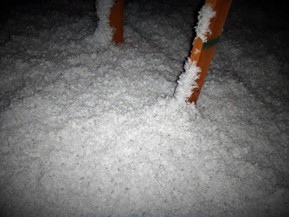
Fortunately a rarely found ACM, this material is simply pure, loose asbestos which is extremely easy to disturb and release airborne fibres resulting in high exposures. Loose fill can be made of the most hazardous crocidolite asbestos form.
Sprayed Coatings / Limpet
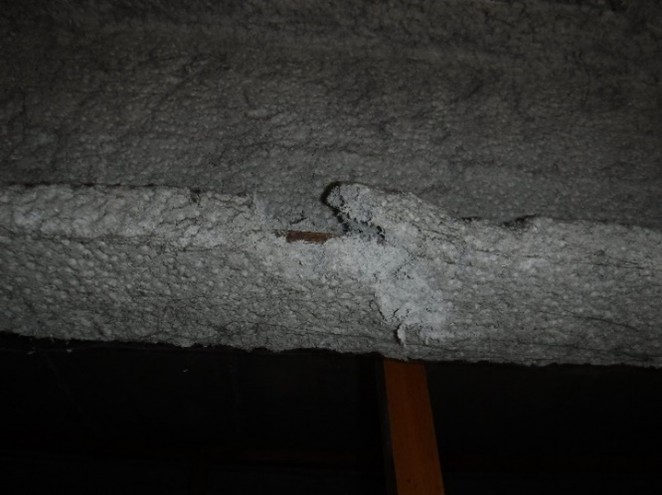
When found, this has usually been applied as fire protection to structural steel work, so usually in non-domestic settings. Has been found as insulation to the underside of roofs. As per the example in the photo, this can be very friable and easy to disturb. This spray coating was found in a Co-Op in Wiltshire. The material was used in the construction of St Johns Shopping Centre in Liverpool and in Liverpool's Catholic Cathedral both constructed in the 1960s.
Thermal Insulation
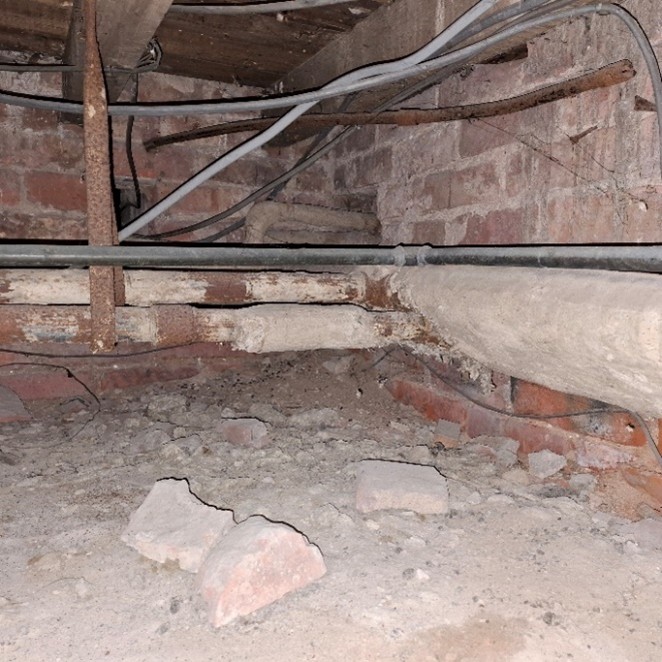
Was either wet, hand-applied, or pre-fabricated, and sold in sections. Was applied to pipes and plant to retain heat. Produces a lot of dust which can become airborne when it is disturbed. This instance was found within the basement and loft of a 1900 house in Knutsford. The material was in poor condition and unsealed, posing a high risk of fibre release.
Asbestos Insulating Board (AIB)
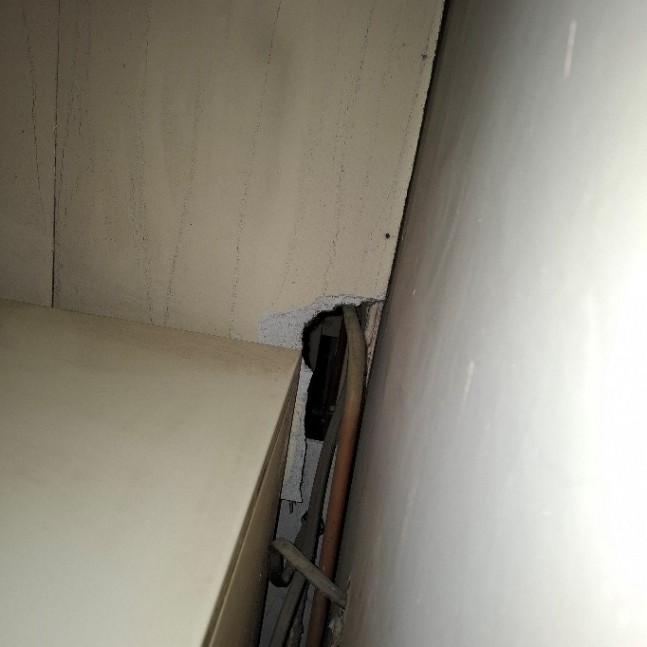
This material is more common within houses, particularly those constructed from the 1970s until 1984. Contains up to 25% amosite asbestos, and gives off significant fibre release when disturbed. The photo here was a damaged AIB lining around an old warm air heater cupboard in a 1970s flat located in Liverpool, L18.
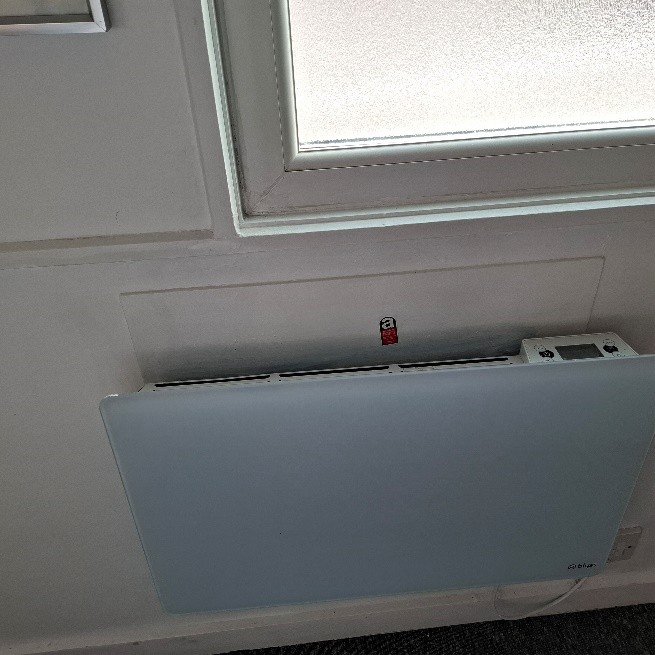
AIB panels to rear of radiators in a school in St Helens.
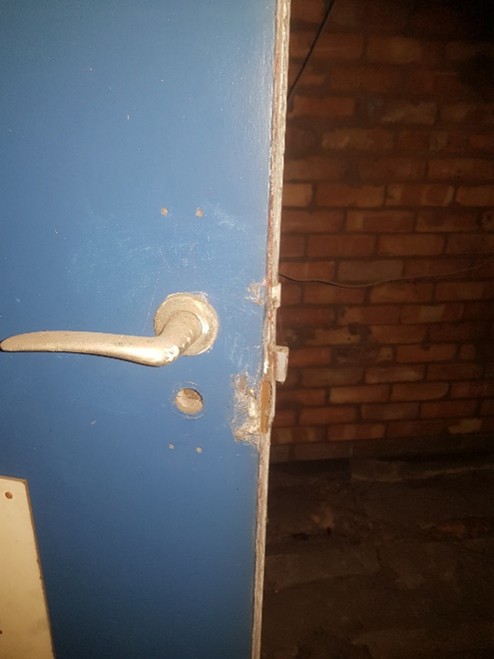
AIB door lining present in a warehouse in St Helens.
Millboard
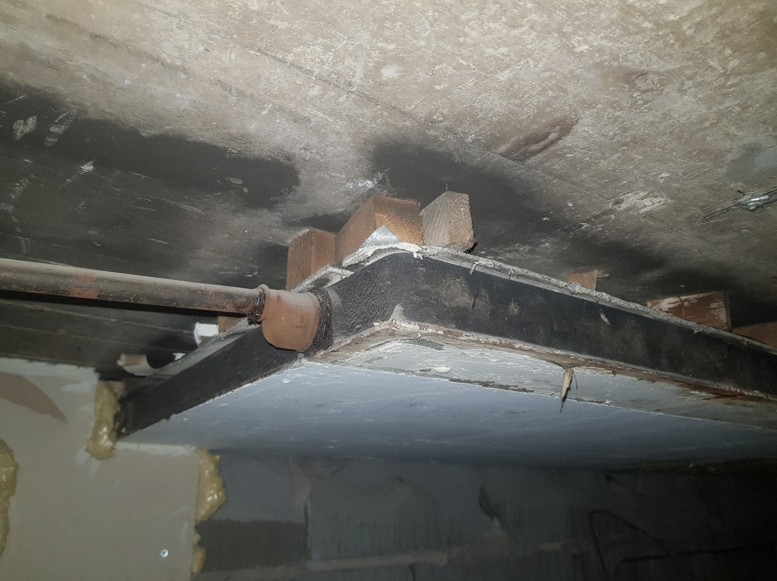
An insulating board which may contain up to almost 100% asbestos and is therefore less dense and more able to give off fibres. This photo was taken during a survey of a commercial building based in Salford.
Asbestos Paper
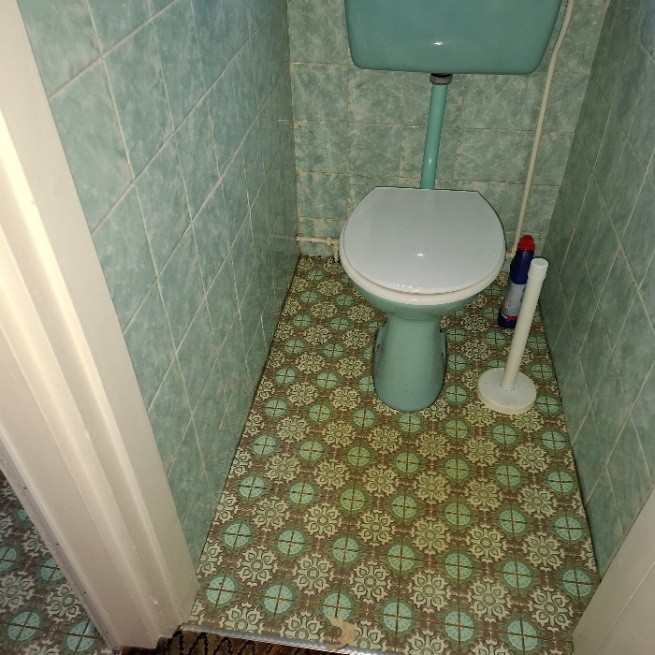
Made from up to 100% chrysotile, can be present in a number of applications, including as a lining to the rear of old patterned linos. This photo was taken from a survey of a house in Liverpool, L18. The material was present beneath many of the carpets throughout the house. The householder had removed a lot of the material, before being aware of its asbestos content.
Textiles
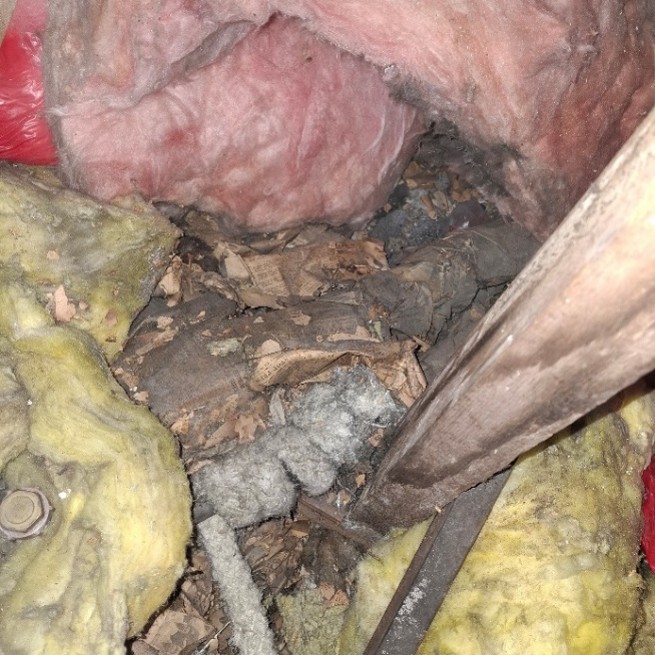
Again with up to an 100% asbestos content, asbestos rope, string, blankets etc can be present in many applications. The photo shows pure amosite rope found in a loft in Liverpool, L10, where it had been used to insulate pipes. The material was heavily degraded with associated dust present around the material, posing a high risk of fibre release.
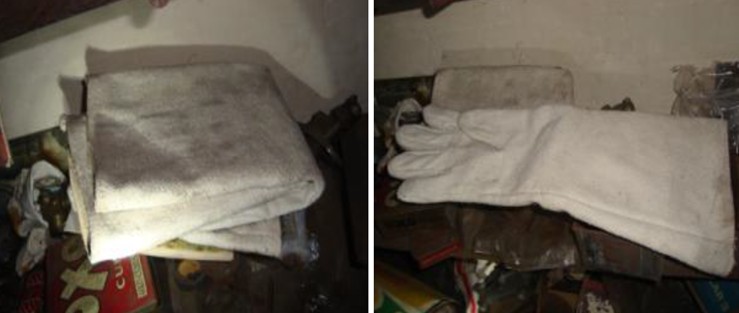
An asbestos woven fire blanket and mittens, found on a survey of a school in Central London.
Gaskets
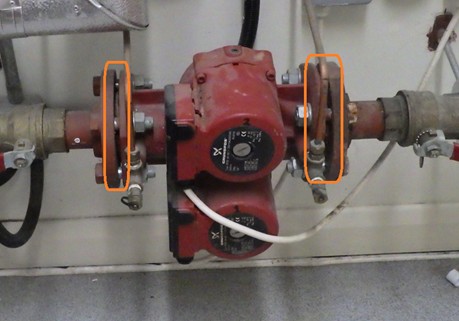
When gaskets are in-situ between pipe flanges, they are generally in good condition and largely enclosed, hence pose a very low risk of fibre release in such a state.
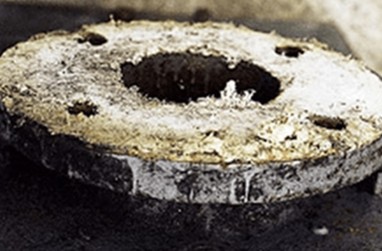
This photo shows a pipe flange which has been opened up and left on the floor. The gasket can be seen to be deteriorated, unsealed and highly fibrous, hence posing an increased risk of fibre release.
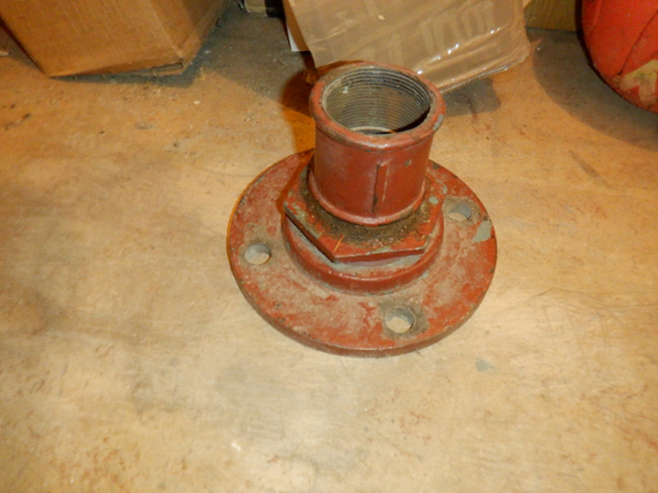
A removed pipe flange fitting with gasket material present.
Asbestos Cement
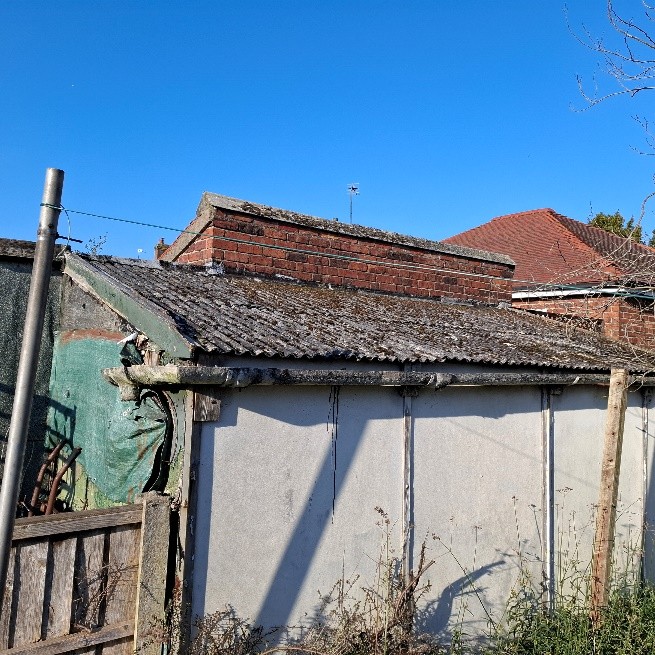
Was a widely used material in a vast array of applications, due to its 10-15% asbestos content giving the cement far greater strength. Typically seen in roofing products – undercloaking, fascia boards, soffit boards, roof sheets, roof tiles, but also as flue pipes, soil vent pipes etc. The photo shows a shed, which has a corrugated Asbestos Cement roof, flat Asbestos Cement sheet walls and Asbestos Cement rainwater goods found at a house in Widnes.
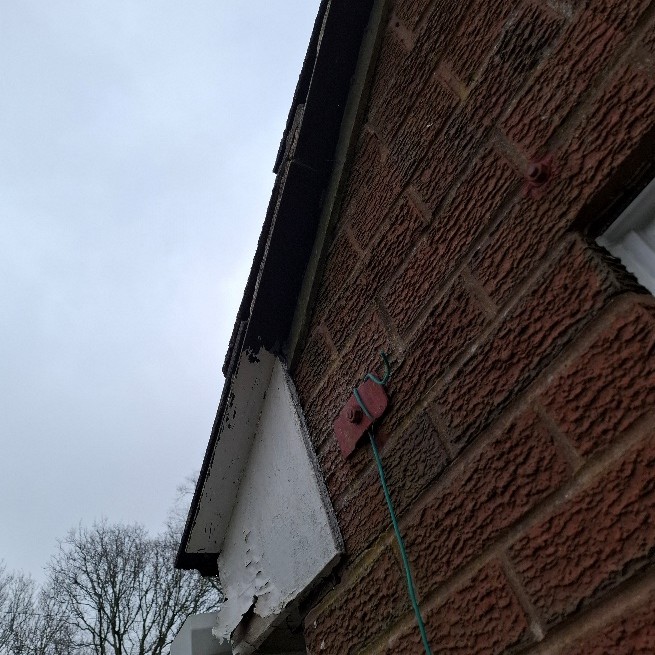
Asbestos Cement undercloaking to roof verges is extremely common and used up until 1999.
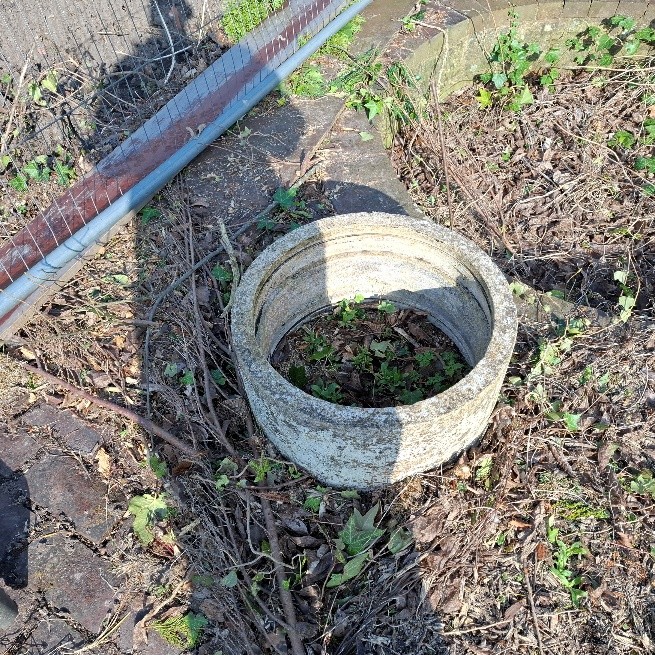
Two Asbestos Cement planters were found in someone's garden in Prescot during a survey.
Textured Coating / Artex
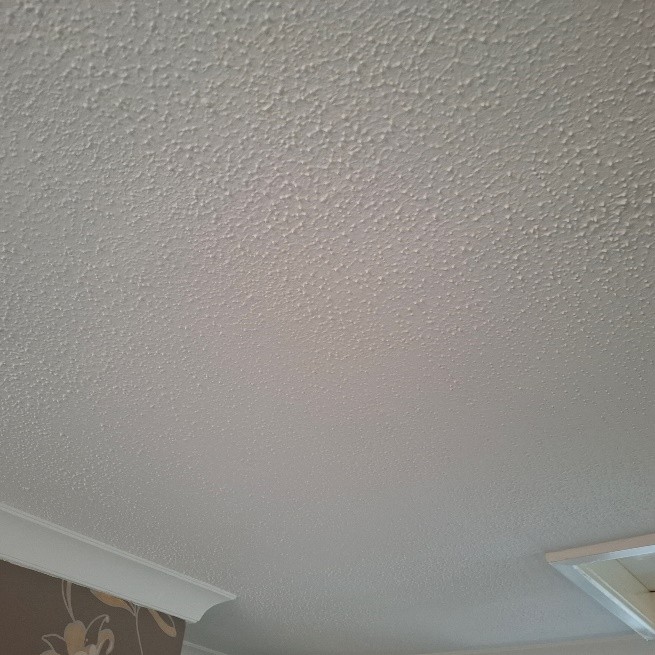
This is the ACMs which everyone seems to know about, probably due to it being so easy to identify. However it is one of the least hazardous, with an asbestos content generally less than 3%. A risk with homebuyers surveyors often only commenting on textured coatings is that it can give the impression that textured coating is the only ACM which may be present within the house. Textured coatings may often be hidden / enclosed beneath smooth plaster skim finishes.
Floor Tiles and Bitumen Adhesive
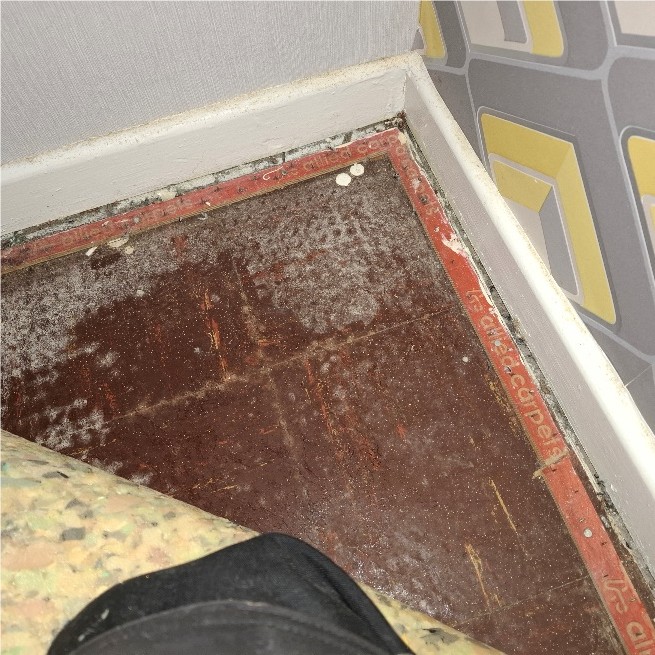
Again an extremely common material, especially on concrete ground floors of houses constructed in the 70s and 80s. Generally a very low risk material, with low asbestos content and a well bound material. Asbestos may be present within the floor tiles but also the bitumen adhesive beneath them.
Composite Materials
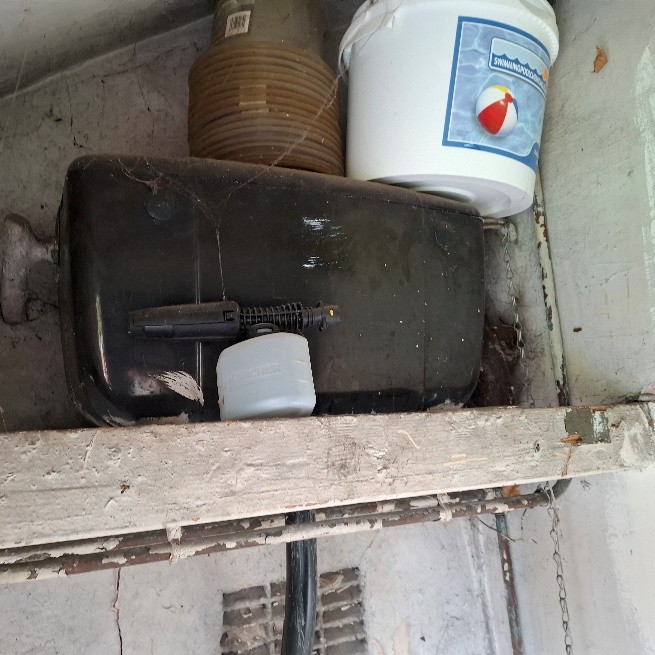
Asbestos was used in many composite materials, such as plastics, e.g. Bakelite toilet cisterns, mastic sealant around windows and as composite pipes. The photo shows an asbestos containing Bakelite toilet cistern.
Suspect a material contains asbestos?
Get straightforward, no-obligation advice from an experienced surveyor.
Contact UsMaterials Covered
- Loose Fill Insulation
- Sprayed Coatings / Limpet
- Thermal Insulation
- Asbestos Insulating Board (AIB)
- Millboard
- Asbestos Paper
- Textiles
- Gaskets
- Asbestos Cement
- Textured Coating / Artex
- Floor Tiles and Bitumen Adhesive
- Composite Materials
Related Information
Browse more guidance articles
Asbestos Information & Guidance